Understanding and Organizing Subject Matter for Student Learning
TPE 3.1 – Demonstrating Knowledge of Subject Matter
-
Focus: Understanding the core concepts, skills, and standards of the subject being taught.
-
Artifact 1/Technology Integration Summary Project
- Connection to the Use of Technology in the Classroom: Using technology effectively requires you to plan and organize content, select appropriate digital tools, and adapt instruction so that students can access and engage with the material.
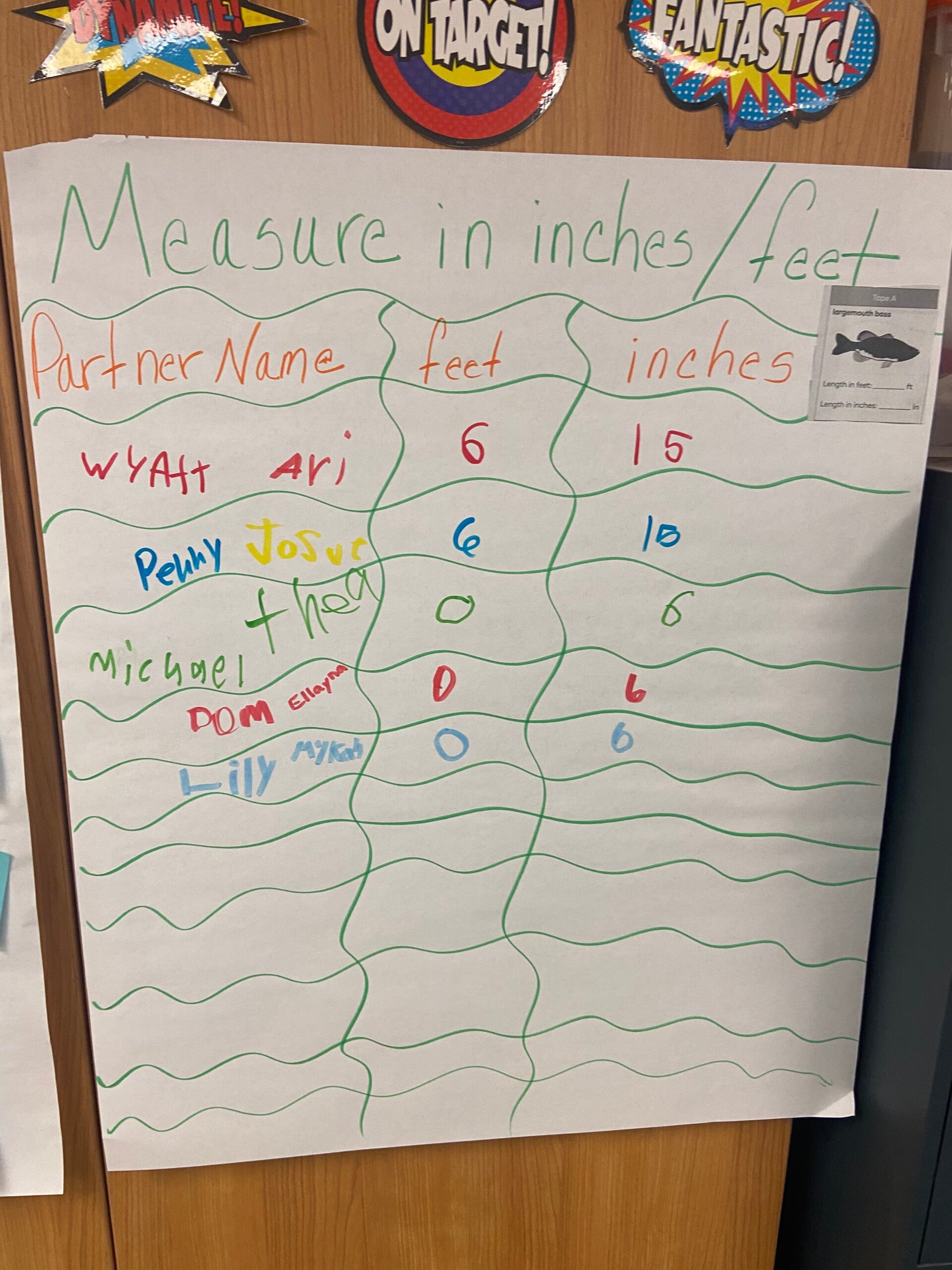
Artifact 2/Visual Supports for Math Learning
This artifact includes a Grad Ed Lesson Plan and accompanying anchor charts used to support student understanding of a mathematical concept. The lesson incorporates scaffolding, visual supports, and opportunities for student participation to help students access and practice the content. The anchor charts provide clear visual references that reinforce key vocabulary and concepts, helping students organize their thinking and deepen their understanding of the math lesson.




Artifact 3/Morphology Lesson: Understanding Compound Words
This artifact demonstrates a four-lesson morphology unit designed and delivered to 4th grade students focused on compound words — specifically how two words combine to create a new, distinct meaning. During the lesson, I explicitly introduced the three types of compound words: closed, open, and hyphenated, using examples drawn directly from the anchor text Here, Boy!
Students moved through a deliberate four-step progression — identifying compound words in context, classifying them by type, engaging in guided and independent practice, and finally applying their understanding by writing original sentences and explaining the meaning of their selected word.
To support diverse learners, I incorporated color-coding as a differentiation strategy to reduce cognitive load, providing visual scaffolding for students who needed additional support accessing the content — including my focus student.
This lesson reflects my intentional approach to vocabulary development and reading comprehension, grounding abstract word study in authentic text and moving students systematically from recognition to application.


